World of Consilience
萬法同歸
"All paths lead not to gods, but to self-awakening."
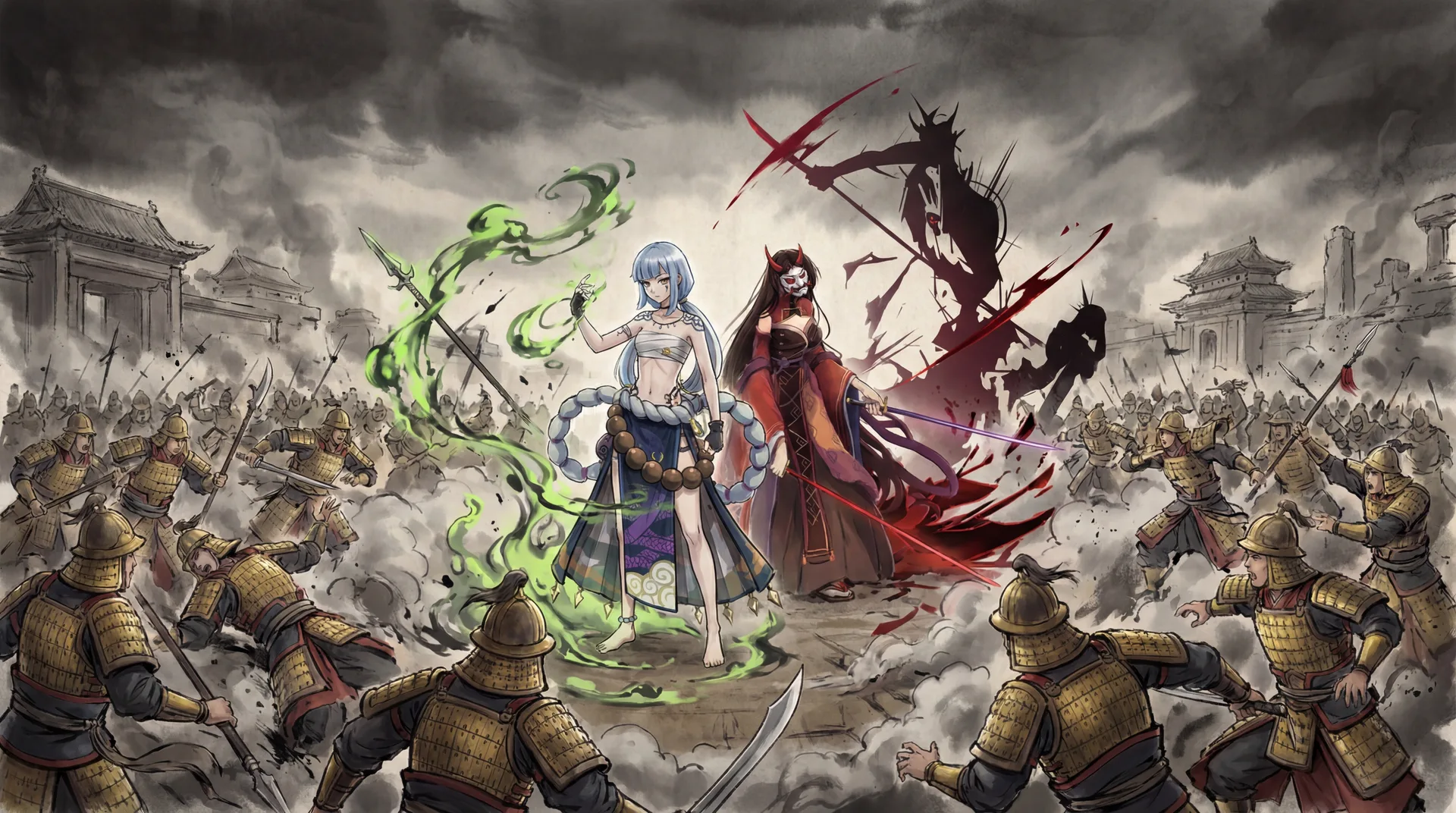
The seals are cracking. Two civilizations eye each other across the fracture. This is a story about who you are.
Clash of Ideas
Clash of Ideas
Not just swords. A fundamental split in how to live, torn down to the bone.
Nine Channels — Qi & Martial Arts
Under wooden eaves, people cultivate Qi — a force that flows through nature, runs along meridians, rises from the dantian. Nine sects each have their own way: some fierce, some subtle, some unorthodox. These arts survived a thousand years on oral tradition and mountain Qi. For the last ninety, the Empire's boots have been on top of them.
The Empire — Sword & Sorcery
Under Gothic spires, the Empire trusts in Rational Forms — everything measurable, controllable, serviceable to order. They call Eastern Qi "Mana" and extract it on an industrial scale, pouring it into enchanted weapons and fortress walls. Ninety years of Eastern martial scrolls confiscated, disassembled, turned into spare parts for the Imperial arsenal.
One side chases truth through logic. The other seeks virtue through practice. When truth and virtue can no longer share a table, everyone has to pick a side.
Three Teachings — The East's Spiritual Roots
Confucianism, Buddhism, Daoism. Three paths you can walk at the same time — ethics in the morning, emptiness at noon, freedom at dusk. This kind of inclusivity is what the Empire can't fathom and most wants to tear apart.
Benevolence, righteousness, propriety, and governance — worldly teachings. The way of pen and sword at Huayue Manor.
Karmic liberation, transcendent wisdom. The origin of the core theme: "a single moment of awakening."
Nature, non-action, unity of heaven and man. The unbounded philosophy and Qi theory of Xiaoyao Mountain Sect.
Three Pillars — The Empire's Bedrock
Theology, Rationalism, Humanism. Three pillars holding up the whole Empire. One God, one Law, one King — exclusive, linear, either-or. The exact opposite of the East's "believe a little of everything" approach.
Monotheistic faith, absolute order. The doctrinal foundation of the Imperial Papacy.
Logical deduction, pursuit of truth. The epistemological foundation of the Bell Tower Research Institute.
Human dignity, rational values. The intellectual roots of the Imperial reform faction.
The Empire isn't wrong. The East isn't right. This page just lays out both sides — the verdict is yours.
Each chapter pushes one kind of civilizational rot into the open. Pride, greed, envy, wrath — not labels, but the process you watch unfold: people inside systems and relationships turning others into tools, one step at a time.
The matching virtues — humility, generosity, kindness, patience — aren't slogans either. They're what characters choose to do after getting burned, after falling down. Sin and virtue aren't verdicts. They're the choice you make right now.
七宗罪
把局部真理絕對化,相信自己有資格替世界命名、裁決、排序
把知識、資源、地脈、人命當成可抽取的資產
將身體與血脈功能化、規訓化,把服從與血統綁在一起
不能容許他者以不同方式保持完整
無節度擴張、吞併、汲取——直到連自己也被吞噬
將痛苦直接翻譯為毀滅的正當性
明知失衡仍拒絕承擔,選擇不動、不說、不改變
七美德
承認自身的侷限,不以全知者自居
把資源從「佔有」轉向「分享」,不計回報
不將他人工具化,尊重每個生命的邊界
對受苦者伸手,即使代價落在自己身上
承認法與技術皆有不能碰的邊界
讓記憶成為守護,不讓痛苦轉化為復仇
從守成轉向行動,願意為信念付出勞動
All sin-virtue tensions across the eight chapters ultimately return to the core thesis: all paths converge not on power, but on self-awareness.

"The Dao that can be told is not the eternal Dao. The name that can be named is not the eternal name."
Worldbuilding
Core Worldbuilding
Nine Channels, Holy Flame, seals, Qi — the four bones holding this world together.
Confucianism
Reveres rites and music, values ethical order
Daoism
Reveres nature, advocates non-action governance
Yin-Yang School
Divines the Five Elements, predicts fortune and calamity
Legalism
Establishes law, emphasizes governing efficiency
School of Names
Debates names and actualities, logical analysis
Mohism
Universal love, non-aggression, artisan spirit
School of Diplomacy
Diplomatic strategists, persuasion and power games
Eclectics
Draws from all schools, bound to none
Agriculturalism
Values farming, promotes cultivation of land
The Holy Flame Empire has ruled the East for ninety years under the banner of "order and prosperity." Below the royals, great nobles hold their own domains; knights and Mana officers rise through swordcraft and sorcery. In the occupied territories, it's a different face — the three-tier system sorts people into Power Sovereigns, Martial Subjects, and Worker Comrades. Imperial nobles and Mana officers on top. Conscripted Eastern warriors turned into blades against their own people. Workers at the bottom, grinding away in Mana refineries. The Empire itself is no monolith — the Flame Throne faction demands faith, the Imperial Sword faction demands obedience, and they fight each other harder than they fight the Nine Channels.
The cruelest part isn't the whip. It's the inversion of values — warriors once revered are now forced to point their blades at their own people. Informants once despised are now the Empire's favored. The horror of occupation is that it makes everyone complicit.
Power Sovereign
Imperial Nobles & Mana Officers
Martial Subjects
Conscripted Eastern Warriors
Worker Comrades
Eastern Civilians
The horror of Imperial occupation goes beyond the sword. It flips an entire society's sense of right and wrong — what deserved respect gets trampled, what deserved contempt gets elevated.
Ignis ante Gladium
聖焰是一切秩序的來源。皇權是教義的延伸
Nine Pulses Policy: 歸信為先。不信聖焰者不配享有公民權
Gladius ante Ignem
皇權即法。秩序來自軍力與制度
Nine Pulses Policy: 治理為先。能用的人收編,能採的礦挖盡
鐘塔派、改革派、騎士理想派、情報局、光明會——各有各的算盤
Nine Pulses Policy: 沒有統一政策。有人想懷柔,有人想利用,有人只想活下來
The old texts mention four manifestations of imbalance, each sealed at one of the four cardinal extremes. Daoists with Lingbao arts and Tibetan Buddhists with Mahakala's protective power held them for over a thousand years. But the ley lines are weakening, the seals are loosening, and what was held down is seeping through the cracks. Who's investigating, who's covering up, who's exploiting it — find out in the game.
And beyond all existing records, there remains something that cannot be fully named —
The Unnameable
No existing language or method can explain it. People who encounter it have to rethink what "order" and "self" even mean. What's beyond the boundary can't be spoken of here.
The Empire calls Eastern Qi "Mana" and extracts it with machines on an industrial scale. Ninety years of draining have bent the ley lines out of shape. Mountains and rivers are wrong now. Several sects can no longer cultivate advanced internal arts — the Qi their training needs just isn't in the ground anymore.
Worse: the seals run on the land's Qi. Drain the Qi, the seals loosen. What was held down crawls out through the cracks, warping living things, eating into minds. Nobody knows how much longer it holds.
Technology, power, and belief — three lines pulling in three directions at once. How it ends — that's in the game.

"Different lands, different mountains — yet the same wind, the same moon."
Factions & Characters
Factions & Characters
Each side has its own creed and its own price. Each side is sure it's standing on the right ground.




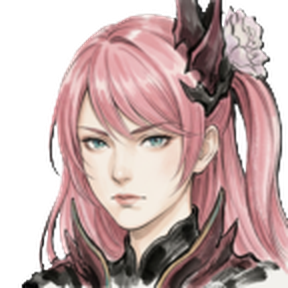




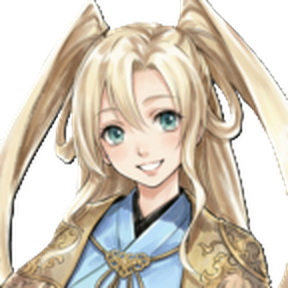












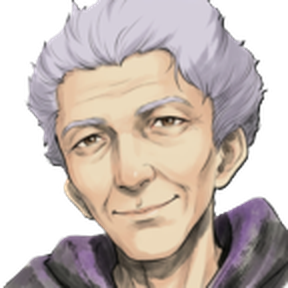


求真、拆解、驗證——相信可量化即可信
認定「不可量化即不存在」,為了實驗數據可以犧牲活體,把知識的邊界推到了倫理的懸崖。
少數學者在純粹的求知中守住了底線——黃凱竹便是在齒輪聲裡聽見良心的人。
Key Characters












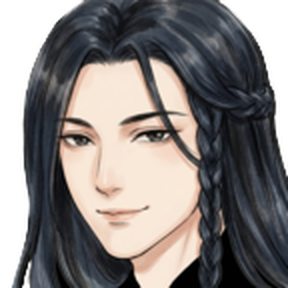




文武並重——相信知識與人格可以成為改革起點
信奉「格物致知」卻困在書齋裡——懂得太多,做得太少,知行不合一是讀書人的老病。
東方啟從這裡走出去,帶著書劍和不服輸的脾氣。莊裡教的不是武功,是骨氣。
Key Characters





在裂縫中讓人活下去——以流通、生存、灰色互信為優先
銀子面前不分善惡,賣藥也賣命——把「我只是做生意」當成一切骯髒交易的萬能擋箭牌。
帝國封鎖線下,是商盟的地下通道在運藥、運糧、運人。利字當頭,偶爾也渡了幾條活命。
Key Characters



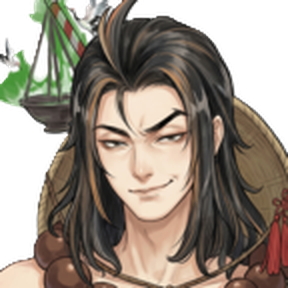

守血土、守歌謠——以記憶與血債維持共同體
血債血償是古老的正義,也是新仇舊恨的無限循環——記住仇恨的民族,未必能放下仇恨。
萬里黃沙裡不識中原禮法,卻有最純粹的信義——說護你,便以命相護。
Key Characters

Finale Theme
Finale Theme
Five finales. Five ways to answer the question. The routes and conditions — find them yourself.
Final Chapter
Finale Theme
The official site only shares thematic direction for the final chapter. Key events and branching conditions are reserved for in-game discovery.
No doctrine is final; only your awakening is.
"Before all laws were born, there was only chaos.
After all laws fall silent, so it shall be again."
Twenty-three hearts that won't dissolve, standing before the void, speaking into the dark —
"I am."
Consilience. What converges is not a temple, a scripture, or a god —
but every heart that won't bow down.